The Ministry of Health and the HIF opened a broad dialogue on improving the sick leave management system
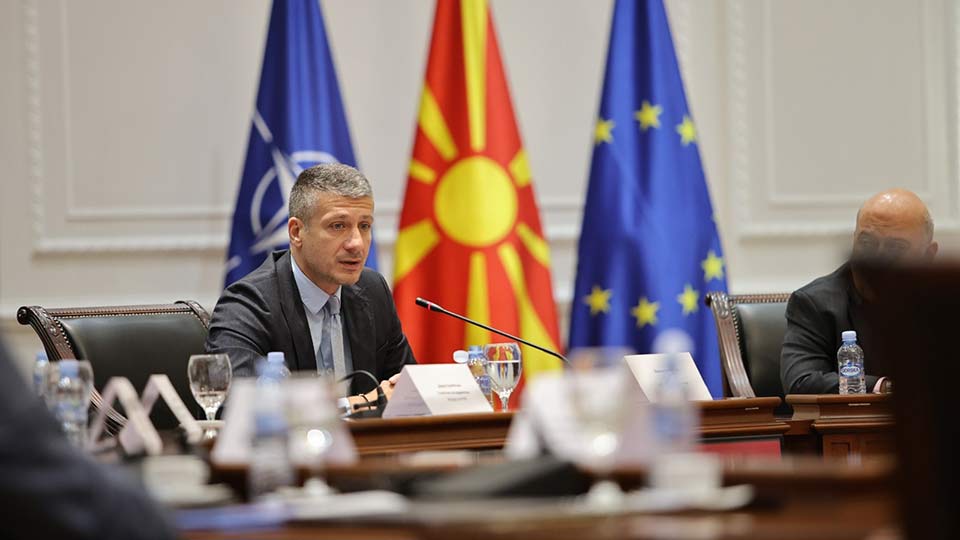
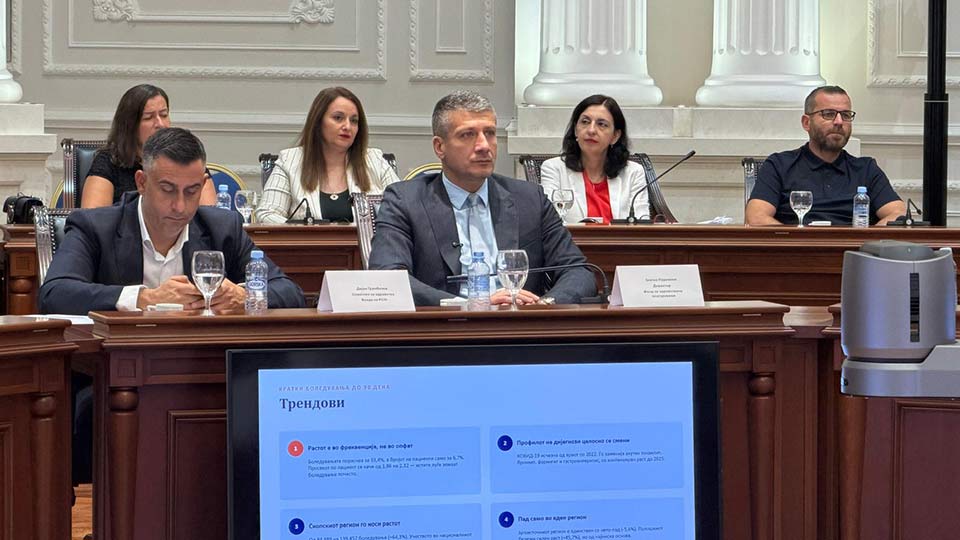
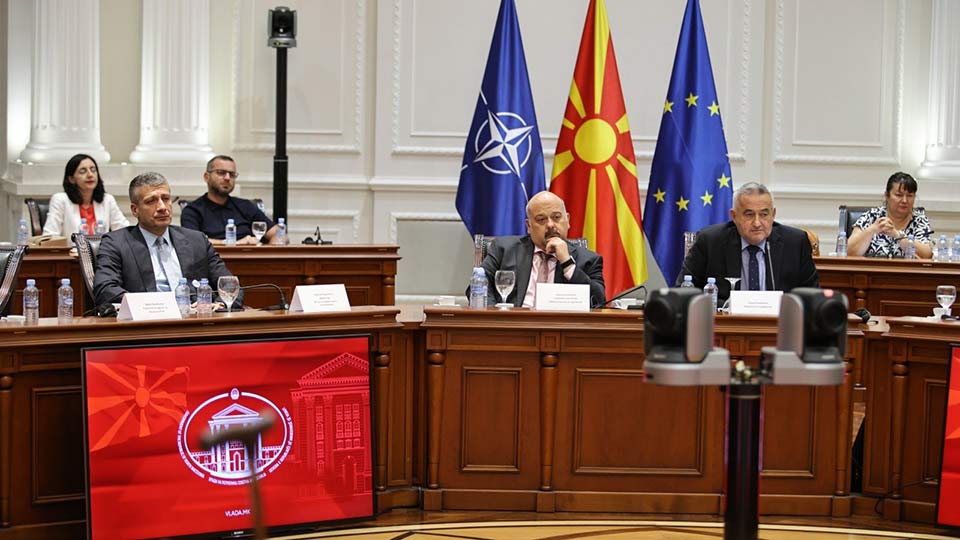
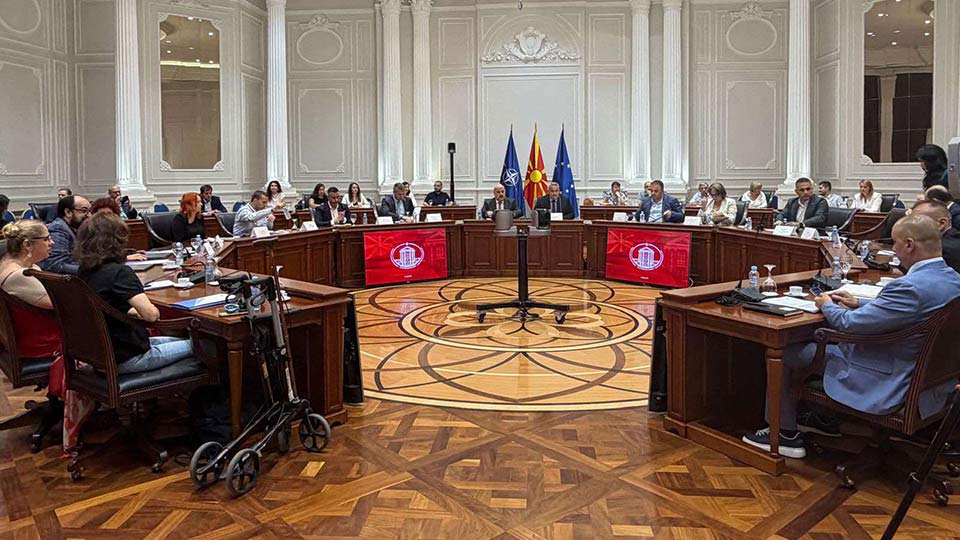
Today, 23 July 2026, on the premises of the Government, organised by the Ministry of Health and the Health Insurance Fund, the workshop was held “Strengthening Sick Leave Management”, attended by representatives of the Government, institutions, health institutions, the medical profession, trade unions, chambers of commerce and international partners.
The discussion focused on the opportunities to strengthen the sick leave management system through clearer procedures, more efficient control mechanisms and solutions that will ensure a balance between protecting the rights of insured persons and the responsible management of compulsory health insurance funds.
In his introductory address, the Director of the Health Insurance Fund, MSc Zllatko Perinski, emphasised the importance of an inclusive approach and open expert debate in creating future solutions.
“I believe that such an inclusive approach and open expert debate are key to creating sustainable and applicable solutions that will contribute to a more efficient health system.”
– Director Perinski stated.
As part of the workshop, the Minister of Health also delivered an address, Dr Sasho Klekovski, who referred to the need for a systematic approach to improving sick leave management and to the importance of expert analyses, inter-institutional cooperation and international experience in creating future policies.
The Director of the Control Sector at the Health Insurance Fund, Dr Silvana Andov, presented the analysis “Strengthening Sick Leave Management”, outlining the current conditions in the system, statistical indicators, identified challenges and possible directions for its improvement.
Margarita Spasenovska, a representative of the World Health Organization, presented a comparative analysis of the criteria for issuing sick leave in our country, the Member States of the European Union and countries in the region, with particular reference to contemporary European practices, the functional assessment of work capacity, the digitalisation of processes and the protection of the rights of insured persons.
Practical experiences from the Slovenian system were presented by Mihaela Pintar, Senior Legal Adviser at the Health Insurance Institute of Slovenia, who referred to the legal framework, the organisation of the system, medical and administrative controls, the digitalisation of procedures and the results achieved.
The workshop also presented the regional example eBolovanje, as a model for the digitalisation of procedures, centralised management and electronic data exchange between institutions, with the aim of greater efficiency, transparency and higher-quality management of the sick leave system.